
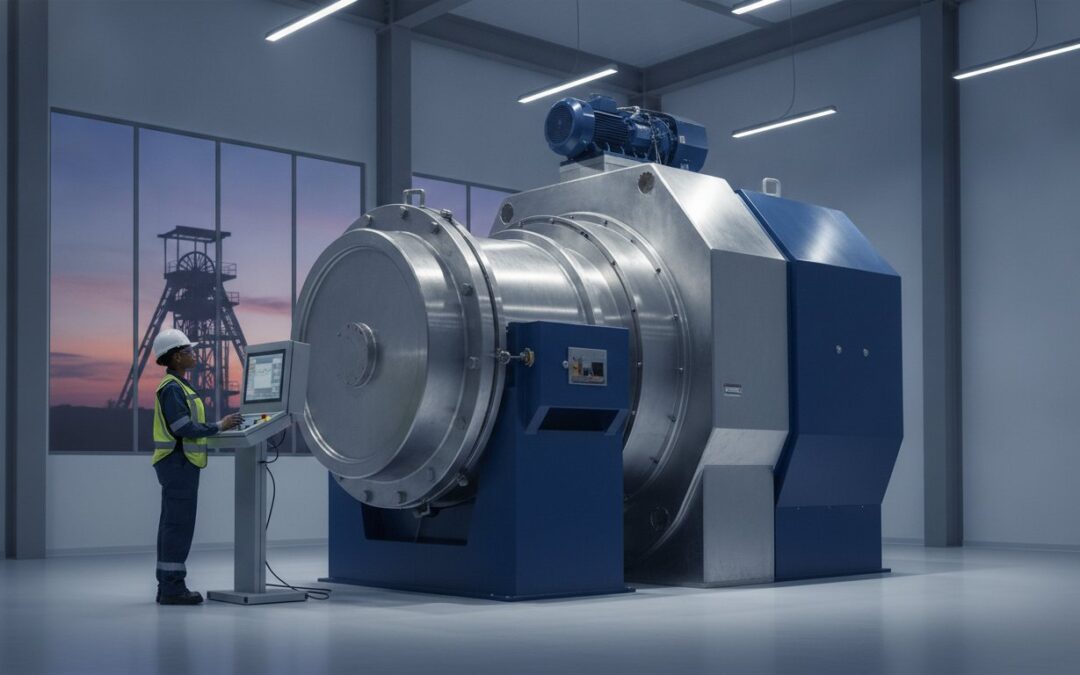
True industrial endurance isn’t measured by the sheer size of a machine’s bowl, but by the specialised metallurgy that survives 3,500 Gs while processing abrasive South African mine tailings. If you’ve managed high-volume separation, you’ve likely felt the sting of unexpected downtime when heavy duty decanter centrifuges yield to component wear. It’s a common struggle where inefficient dewatering leads to soaring waste disposal costs and a search for local technical support that often feels frustratingly out of reach.
We understand that reliability is the cornerstone of your operational success and that a machine is only as good as the expertise backing it. In this guide, you’ll discover how these systems optimise industrial throughput and learn the engineering secrets behind surviving the harshest processing environments. We will examine the mechanics of precision refurbishment, the impact of ISO 9001 quality standards, and the latest automation trends. This provides a clear roadmap to reducing your cost-per-ton whilst securing a dependable technical partnership for the long term.
Key Takeaways
- Understand how heavy duty decanter centrifuges facilitate continuous separation in high-solids environments, specifically tailored for abrasive South African slurry.
- Identify the critical roles of the bowl, scroll, and gearbox, and why mastering differential speed is the secret to high-performance separation.
- Learn to optimise throughput across diverse sectors, from recovering coal tailings in mining to achieving precise clarification in food and beverage processing.
- Discover why strategic refurbishment and bowl balancing are often more cost-effective than purchasing new hardware for extending equipment lifespan.
- Gain insights into building a technical partnership that provides bespoke separation solutions and localised support for complex industrial machinery.
Defining the Heavy Duty Decanter Centrifuge in Modern Industry
A Decanter centrifuge is a critical asset in modern industrial processing, engineered for the continuous separation of solids from one or more liquid phases. Unlike batch-style systems that require frequent downtime for cleaning or discharge, these machines operate without interruption. This capability makes them indispensable for high-throughput environments where process continuity is directly linked to profitability. While standard units might suffice for light clarification, heavy duty decanter centrifuges are specifically designed to manage the extreme demands of high-solids loading and abrasive slurry handling.
In South African industrial sectors, particularly mining and large-scale processing, “heavy duty” defines a machine’s ability to survive. It isn’t merely a reference to size. It signifies the use of reinforced metallurgy, tungsten carbide wear protection, and gearboxes capable of generating massive torque. These machines must process dense, gritty materials that would quickly erode standard equipment. While disk stack separators are ideal for removing fine particles from liquids with low solid concentrations, decanter technology is the primary choice when the feed contains significant volumes of solids or larger particle sizes that require robust mechanical handling. When evaluating your options, understanding what separates leading decanter centrifuge suppliers in South Africa is essential for making a procurement decision that protects your plant’s uptime for years to come.
The Role of Centrifugal Force in Solid-Liquid Separation
Industrial separation relies on the principle of accelerated sedimentation. In a traditional gravity tank, particles settle slowly based on their density, a process that can take hours or even days. High-speed rotation inside a decanter bowl replaces gravity with centrifugal force, accelerating this settling process by thousands of times. The efficiency of this separation is determined by the relationship between the bowl diameter and its rotational speed; larger bowls provide more settling area, whilst higher speeds generate more intense force. G-force in the context of decanter centrifuges is the multiplier of gravitational acceleration, typically ranging from 1,500 to 3,500 G in industrial-scale processing.
Industrial Applications: Where Heavy Duty is Mandatory
Heavy duty units are mandatory in sectors such as mining tailings dewatering, municipal wastewater treatment, and chemical processing. These environments often involve non-Newtonian fluids, which change viscosity under stress, and high-density slurries that cause rapid component wear. Standard centrifuges often fail in these settings because their internal components cannot withstand the constant abrasion. By utilising specialised scroll designs and hardened materials, heavy duty decanter centrifuges maintain consistent performance even when the feed material is unpredictable. This reliability is vital for South African mines aiming to recover process water and reduce the volume of mineral waste sent to tailings dams.
Engineering Excellence: The Anatomy of a High-Performance Decanter
High-performance heavy duty decanter centrifuges are masterpieces of mechanical engineering, built to withstand stresses that would compromise standard separation equipment. Every component must be engineered for extreme durability, from the reinforced bowl to the precision-cut gearbox. These machines don’t just spin; they manage complex fluid dynamics under intense pressure. Understanding the principles of centrifugal separation is essential for appreciating how the internal geometry handles the immense stress of continuous operation. While the bowl acts as the primary containment vessel, the internal scroll and high-torque gearbox work in tandem to process abrasive slurries without losing efficiency.
Material choice is a non-negotiable factor in engineering excellence. High-grade duplex stainless steel and specialised alloys are frequently used to provide superior corrosion resistance and structural integrity. These materials ensure that the centrifuge remains operational even when processing chemically aggressive or high-temperature feeds. This level of build quality allows the machine to handle sudden solids-loading spikes, which often occur in mining or industrial wastewater applications. Precision engineering prevents these spikes from causing mechanical fatigue, ensuring the longevity of the entire system.
Scroll Design and Wear Protection Strategies
The scroll, or conveyor, is the most vulnerable component in any centrifuge. To combat the erosive nature of industrial slurries, engineers use tungsten carbide tiles or flame-sprayed coatings on the flights of the scroll. This wear protection is critical for maintaining the tight tolerances required for efficient solids discharge. Scroll geometry also plays a vital role in determining the final moisture content of the cake; a well-designed pitch and beach angle ensure maximum dewatering. Using replaceable wear parts significantly reduces long-term maintenance costs by allowing for targeted repairs rather than full scroll replacements.
The Drive System: Managing High Torque and Variable Speeds
Modern drive systems rely on Variable Frequency Drives (VFD) to optimise energy consumption and allow for precise process control. A back-drive system is particularly important, as it enables the scroll to rotate at a slightly different speed than the bowl. This differential speed determines the residence time of solids within the machine. Integrated torque monitoring systems provide a vital safety layer by detecting resistance spikes and triggering automatic shutdowns to prevent catastrophic mechanical failure during blockages. If you’re looking to enhance your plant’s reliability, exploring customised separation solutions can help align these technical features with your specific throughput goals.
Optimising Throughput for Mining and Food Processing
The operational demands placed on separation technology vary significantly between the mineral and food sectors. In the mining industry, the focus is typically on managing massive volumes of abrasive slurry whilst minimising the cost-per-ton of processed material. Conversely, the food and beverage sector prioritises hygiene, yield, and the preservation of delicate flavour profiles. When selecting equipment, understanding various industrial centrifugation techniques is essential for matching the machine’s configuration to the specific needs of the raw material. Applying rigorous decanter centrifuge selection criteria ensures that the chosen configuration delivers the precision and mechanical reliability required for your specific separation needs. Heavy duty decanter centrifuges provide the versatility required to excel in both environments, provided they’re configured correctly for the task at hand.
Machine configuration usually falls into two categories: clarifiers and dewatering units. A clarifier is designed to produce a polished liquid phase with minimal solid carryover, which is vital for brewery applications or juice production. Dewatering configurations focus on achieving the driest possible solid cake, a priority for coal tailings recovery and mineral waste reduction. In these high-volume settings, heavy duty decanter centrifuges are calibrated to maintain throughput consistency despite fluctuations in feed density. This reliability is the backbone of 24/7 industrial operations where any drop in efficiency directly impacts the bottom line.
Tailings Dewatering: Environmental and Operational Benefits
In water-scarce regions of South Africa, the ability to recover process water for reuse isn’t just an environmental goal; it’s an operational necessity. Decanters play a pivotal role in this cycle by separating water from fine tailings, allowing mines to recirculate clean water back into the plant. This process significantly reduces the footprint of tailings dams, and when combined with speciality chemical solutions from JAS Global Industries, it further lowers the risk of environmental contamination and waste management costs. Sacor Engineering excels in providing tailored tailings dewatering equipment that’s specifically engineered to handle the unique mineralogy found in local mining operations, ensuring long-term stability and performance.
Food and Beverage: Hygiene and Yield Optimisation
Processing food-grade materials requires a different engineering approach, focusing on stainless steel surfaces and Clean-In-Place (CIP) capabilities. High-performance separators must ensure that every drop of product is recovered, maximising yield in applications like citrus processing or yeast separation. Gentle product handling is crucial here; excessive shear forces can damage proteins or alter the sensory qualities of a beverage. By using precision-controlled scroll speeds, these machines achieve high separation efficiency without compromising product integrity. This balance of power and precision ensures that manufacturers meet strict safety standards whilst maintaining the high quality that consumers expect.

Maximising Operational Life through Strategic Maintenance
Investing in heavy duty decanter centrifuges represents a significant capital expenditure for any South African industrial facility. Maintenance dictates the true cost of ownership. Proactive refurbishment is frequently more cost-effective than purchasing new hardware, especially when the core structural components remain sound. By restoring a machine to its original engineering specifications, operators achieve “as-new” performance at a fraction of the cost of a replacement unit. This approach is particularly relevant in the current economic climate, where capital budgets are under constant pressure.
Identifying mechanical distress early is essential for plant stability. Excessive vibration, unusual noise levels, and a noticeable decrease in separation quality are clear indicators of centrifuge fatigue. These symptoms often stem from uneven wear on the scroll or an unbalanced bowl. Ignoring these signs leads to catastrophic failure; early intervention through professional servicing prevents unscheduled downtime. Precision bowl balancing is a critical part of this process. It prevents the premature bearing failure that often results from the high rotational speeds required for effective separation.
The Refurbishment Lifecycle: From Inspection to Recommissioning
A comprehensive restoration begins with stripping the machine down to its individual components. Professional engineering teams conduct Non-Destructive Testing (NDT) to identify micro-fractures or structural weaknesses that aren’t visible to the naked eye. After machining surfaces back to original tolerances, the scroll undergoes hard-facing restoration to replace worn tungsten carbide protection. Modernising the control system during this phase is an excellent way to future-proof an older decanter. Integrating modern sensors and VFD technology allows for better process control and improved energy efficiency. Using high-quality spare parts that meet original engineering tolerances is non-negotiable for long-term reliability.
Preventative Maintenance: Avoiding Unscheduled Downtime
Consistency is the key to avoiding unplanned halts in production. A robust maintenance programme should include:
- Daily checks for unusual temperature rises in high-speed bearings.
- Weekly vibration monitoring to detect imbalance before it causes damage.
- Regular oil analysis to assess gearbox health and detect internal wear.
Regular precision balancing is a necessity to extend the life of high-speed bearings and prevent structural fatigue. If your equipment is showing signs of wear or decreased performance, our team provides comprehensive centrifuge refurbishment services to restore your machinery to peak efficiency.
Bespoke Separation Solutions with Sacor Engineering
Sacor Engineering stands as a seasoned expert in the specialised field of industrial separation, providing more than just mechanical hardware. We offer a comprehensive suite of solutions that includes the supply of new heavy duty decanter centrifuges, high-speed disk stack separators, and professional refurbishment services. This dual capability creates a unique synergy; our deep understanding of how machines fail during the refurbishment process informs how we customise and install new systems for maximum endurance. By positioning ourselves as a technical partner rather than a simple vendor, we ensure that your separation processes are resilient enough to handle the specific stresses of the South African processing environment.
Our approach is grounded in practical, industrial reality. We recognise that a standard, off-the-shelf solution rarely meets the needs of a facility dealing with complex mineralogy or sensitive food-grade products. We’re committed to delivering precision-engineered systems that transform industrial workflows. Whether you’re managing abrasive mine tailings or refining high-value beverages, our goal is to provide a reliable partnership that prioritises long-term operational success over short-term sales. This commitment to dependability is backed by our extensive experience in both disk stack and decanter technologies, ensuring we recommend the right tool for your specific application.
Why Partnership Trumps Simple Procurement
Choosing the right separation equipment is only the first step. True optimisation comes from tailoring that technology to the unique characteristics of your feed material. We specialise in customising heavy duty decanter centrifuges to match the specific gravity and abrasive qualities of local slurries, ensuring that wear protection is placed exactly where it’s needed most. Having a national service partner means you benefit from rapid response times and accessible technical support. This localised presence is vital for maintaining a steady supply of spare parts and minimising the impact of mechanical issues. Our focus on equipment life extension through professional refurbishment also aligns with global sustainability goals, reducing waste by keeping existing assets in peak condition for longer.
Taking the Next Step in Process Optimisation
Identifying bottlenecks in your separation circuit is the most effective way to lower your cost-per-ton. We encourage plant managers to conduct a thorough process audit to evaluate current dewatering efficiency and moisture levels in discharged solids. Our engineering team is available to assist with these evaluations, providing the data-driven insights needed to make informed decisions about equipment upgrades or refurbishments. If you’re facing challenges with frequent downtime or high waste disposal costs, it’s time to consult with an expert who understands the mechanics of reliability. Contact Sacor Engineering today to discuss your heavy duty decanter centrifuge requirements and discover how we can help you achieve a more streamlined, cost-effective operation.
Securing Long-Term Reliability in Industrial Separation
Mastering industrial separation requires a balance of robust engineering and meticulous maintenance. The durability of heavy duty decanter centrifuges depends on specialised metallurgy and precision components designed specifically for abrasive South African environments. Whether you’re managing tailings dewatering in the mining sector or seeking high-yield clarification in food processing, success is found in moving beyond simple hardware procurement toward a consultative technical partnership.
Sacor Engineering serves as a trusted South African authority, offering expertise in both new equipment supply and full-service refurbishment. Our focus on precision bowl balancing and scroll restoration ensures your machinery operates at peak efficiency whilst reducing the overall cost-per-ton. By choosing a partner that understands the intricate relationship between mechanical integrity and process throughput, you protect your capital investment and ensure consistent operational uptime.
It’s time to transform your separation workflow through bespoke engineering excellence. Optimise your industrial separation with Sacor Engineering’s expert solutions and secure a future of dependable performance for your facility.
Frequently Asked Questions
What is the difference between a two-phase and a three-phase decanter centrifuge?
A two-phase decanter separates a single liquid phase from a solid phase, whilst a three-phase unit separates two immiscible liquids of different densities and a solid phase simultaneously. This three-way separation is particularly useful in applications like oil recovery where water and oil must be isolated from grit. Choosing the right configuration depends on the complexity of your feed material and the desired purity of the discharged liquid.
How often should a heavy duty decanter centrifuge undergo professional refurbishment?
Professional refurbishment for heavy duty decanter centrifuges is typically required every 12 to 24 months, depending on the abrasiveness of the material being processed. In high-wear environments like South African coal tailings plants, more frequent inspections are necessary. You should schedule a service immediately if you notice increased vibration, unusual bearing noise, or a rise in the moisture content of the discharged solids.
Can a decanter centrifuge handle abrasive mining slurries without constant damage?
Yes, these machines are specifically engineered with tungsten carbide tiles and flame-sprayed hard-facing to withstand abrasive mining slurries. Without these specialised wear protection strategies, the scroll flights would erode rapidly, leading to a loss of separation efficiency. Using replaceable wear parts allows for targeted maintenance, ensuring the machine survives the harshest processing environments without requiring a full replacement.
What are the primary factors that determine the performance of a decanter centrifuge?
Performance is primarily determined by bowl rotational speed, the differential speed between the bowl and scroll, and the feed rate. These factors influence the G-force and residence time within the machine. Adjusting the pond depth, which is the liquid level inside the bowl, also allows for fine-tuning the clarity of the centrate and the dryness of the solid cake.
Is it better to repair an old industrial centrifuge or invest in a new unit?
Refurbishing an existing industrial centrifuge is often the more sustainable and cost-effective choice if the bowl and frame remain structurally sound. A professional restoration can return a machine to its original engineering tolerances at a fraction of the cost of new equipment. Modernising the control systems during this process can also provide the same automation benefits as a brand-new unit. Before committing to a new purchase, reviewing a strategic guide to evaluating decanter centrifuge suppliers in South Africa can help you weigh the financial and operational implications of both options.
How does a decanter centrifuge contribute to environmental sustainability in mining?
Decanter centrifuges promote sustainability by enabling large-scale water recovery and reducing the volume of mineral waste sent to tailings dams. In water-scarce regions, the ability to recirculate clean process water back into the plant is a major environmental advantage. This closed-loop approach minimises the footprint of mining operations and helps facilities comply with increasingly strict environmental regulations.
What safety features are essential for high-speed centrifugal separation machinery?
Essential safety features include vibration sensors, torque monitoring systems, and automatic emergency shutdown protocols. These systems prevent catastrophic mechanical failure by detecting blockages or imbalances before they cause permanent damage. High-speed centrifugal machinery should also be equipped with interlocked housing covers to ensure the bowl is completely stationary before any maintenance access is granted.
How do I choose between a disk stack separator and a decanter centrifuge for my process?
You should choose a decanter centrifuge if your process involves high solids concentrations or larger particle sizes that require robust mechanical discharge. Disk stack separators are better suited for clarifying liquids with very low solid content, typically below 3%, where high-precision polishing is required. For many South African industrial applications, these technologies are used in tandem with other separation tools, such as the cyclones available from F.A. Maker, to achieve optimal results across the entire production line.