
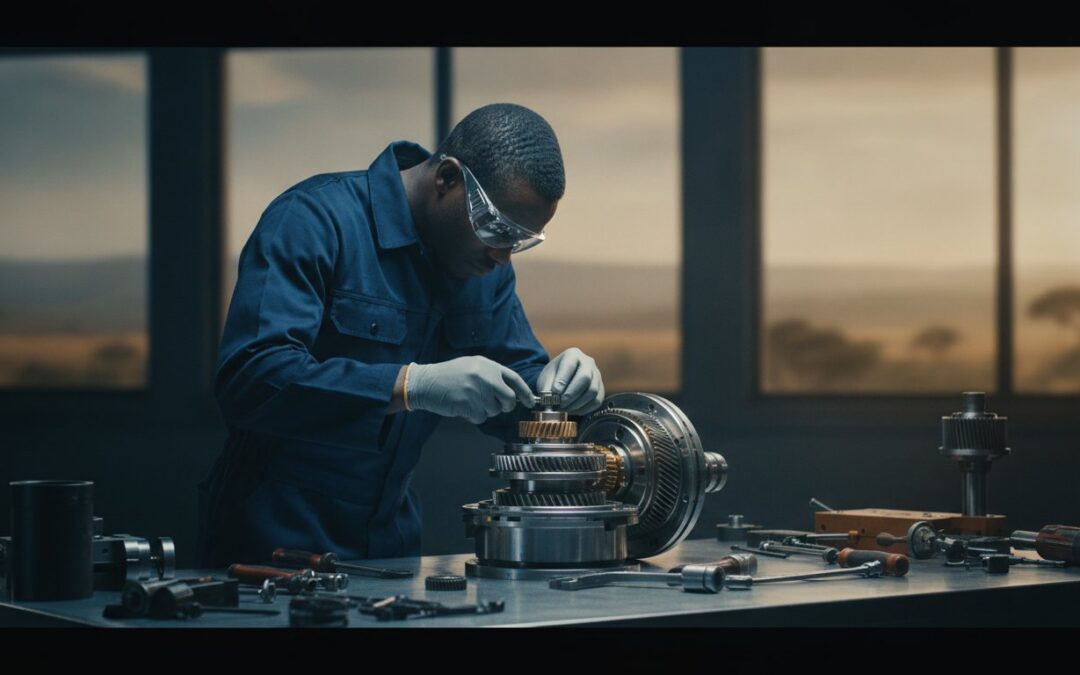
If you view centrifuge gearbox repair as a mere mechanical fix, you’re likely overlooking the most significant opportunity to optimise your plant’s throughput. Most operations managers in South Africa’s mining and food processing sectors know the sinking feeling of a sudden planetary gear failure. It’s not just the potential for thousands in lost Rands due to unplanned downtime; it’s the uncertainty regarding local engineering standards and the gradual loss of separation efficiency that erodes your final product quality.
We understand that your primary goal is to maintain precise differential speed and torque without the prohibitive cost of total machine replacement. This 2026 engineering guide provides the clarity you need to move from reactive maintenance to strategic asset life extension. You’ll discover how to identify subtle failure signals, evaluate refurbishment options against the latest industry benchmarks, and restore your decanter centrifuge to its original OEM performance levels. We’ll examine the technical precision required for gearbox restoration and the rigorous standards that ensure your machinery remains a reliable cornerstone of your production line for years to come.
Key Takeaways
- Identify critical early warning signs, such as oil discolouration and unusual chattering, to mitigate the risk of catastrophic mechanical failure and unplanned downtime.
- Master the “Refurbish vs. Replace” decision-making process to ensure your centrifuge gearbox repair provides the best return on investment for your specific industrial application.
- Learn the comprehensive steps of a professional engineering refurbishment, from root cause failure analysis to restoring precise OEM tolerances and torque precision.
- Understand how a strategic life extension approach can enhance separation efficiency whilst significantly contributing to your plant’s sustainability and environmental objectives.
- Discover the essential alignment and proactive maintenance protocols required to ensure the long-term reliability of your decanter centrifuge post-refurbishment.
The Critical Role of the Centrifuge Gearbox in Industrial Separation
The gearbox is the undisputed brain of the separation process. Within a standard decanter centrifuge design, this complex assembly manages the exact synchronisation between the bowl and the scroll. It isn’t just a mechanical link; it’s the component that dictates the differential speed, which in turn controls how long solids are subjected to centrifugal force. Whether your facility utilises planetary, cyclo-type, or back-drive configurations, the engineering demand is identical: absolute precision. A healthy gearbox ensures that processing throughput remains high whilst energy consumption is kept to a minimum. When internal friction increases due to wear, your electricity costs rise because the drive motor must work harder to overcome the resistance of a failing unit.
Differential Speed and Separation Efficiency
The RPM delta is the lifeblood of efficient dewatering. This differential speed defines the solids’ residence time. If your gearbox is compromised, you’ll likely experience “slip,” where the scroll fails to move solids at the required rate. This leads to wetter solids and “dirty” centrate or liquid discharge. It’s why any strategy for industrial centrifuge life extension must prioritise gearbox integrity. A precisely calibrated gearbox ensures the residence time is optimised for your specific slurry, whether you’re processing food-grade products or mineral concentrates. When the gears are worn, the machine loses its ability to maintain these fine margins, resulting in a direct hit to your product quality and bottom line.
Torque Management in Heavy-Duty Applications
In South Africa’s intensive mining and tailings sectors, the torque reaction within a centrifuge is immense. High-solids loading puts incredible strain on internal gear teeth, bearings, and shafts. The gearbox doesn’t just drive the scroll; it protects the primary drive motor by acting as a mechanical buffer for these massive loads. If the gearbox begins to degrade, this protection vanishes. The motor is then exposed to overloads that can cause catastrophic electrical failure and expensive rewinding costs. Professional centrifuge gearbox repair is about more than just replacing cogs; it’s about restoring the mechanical protection that keeps your entire operation safe. By maintaining this torque precision, you ensure the machine can handle the toughest dewatering challenges without compromising throughput or operational safety.
Identifying Early Warning Signs of Gearbox Failure
Detecting a pending mechanical failure before it halts production is the hallmark of a sophisticated maintenance strategy. In high-speed separation, the gearbox often provides subtle clues long before a total seizure occurs. If you notice a high-pitched whining or a rhythmic “chattering” sound, it’s usually an indicator of gear tooth pitting or bearing surface fatigue. These audible warnings are often accompanied by localised thermal signatures where heat builds up amongst specific bearing housings, often exceeding standard operating temperatures. Monitoring these shifts in operational data, such as rising motor amperage or fluctuating differential speeds, allows you to schedule a centrifuge gearbox repair during a planned shutdown rather than facing the chaos of an emergency repair.
Oil Analysis and Contamination Monitoring
Regular oil sampling is your first line of defence against catastrophic internal damage. By analysing the metallic particulate count, engineers can identify exactly which components are wearing down. For instance, high concentrations of chromium or nickel often point toward gear set degradation, whilst copper or tin suggests issues with bushings or thrust washers. Beyond metal wear, you must monitor for moisture and chemical ingress. In South African processing environments, humidity or process fluid leaks can destroy the lubricity of your oil. This leads to rapid frictional heating and accelerated gear wear that can be avoided with consistent fluid management. If you’re concerned about the state of your lubricants, a professional technical inspection can clarify your next steps.
Vibration Analysis and Performance Drift
Vibration sensors provide real-time data that can prevent bearing fatigue from turning into a total seizure. A phenomenon known as “hunting”, where the differential speed fluctuates uncontrollably, often signals that the back-drive or internal planetary stages are failing to manage the torque load. This performance drift is a frequent challenge in heavy-duty tailings dewatering equipment, where high solids concentrations put immense strain on the drive train. Catching these drifts early ensures that the structural integrity of the gearbox housing is preserved. When you identify these vibration spikes early, you avoid the high costs associated with machining a damaged housing or replacing main shafts that have been compromised by excessive oscillation. Ensuring your monitoring systems are correctly calibrated is essential for maintaining the precision required in modern industrial separation.
The Engineering Decision: Refurbish vs. Replace
Deciding whether to invest in a centrifuge gearbox repair or purchase a new OEM unit is a strategic choice that affects your plant’s operational budget and long-term stability. At Sacor Engineering, we assess the “salvageability” of high-speed separation components by first evaluating the structural integrity of the gearbox housing and main shafts. If the core housing remains free from stress fractures and the bearing seats haven’t suffered significant ovality, refurbishment is almost always the superior path. This approach isn’t just about cost; it’s a commitment to industrial sustainability. By restoring high-spec assets, you reduce industrial waste and bypass the carbon footprint associated with manufacturing and shipping a completely new assembly from international suppliers.
ROI and Operational Life Extension
The true cost of a gearbox failure isn’t found in the repair invoice but in the lost Rands resulting from downtime. Waiting for a new OEM unit can involve lead times of several months, especially when parts must be imported. Professional refurbishment, however, can restore 95 to 100 percent of the original performance in a fraction of that time. This restorative process aligns with the same rigorous standards found in decanter centrifuge selection criteria, ensuring that the rebuilt unit meets your specific process requirements for torque and differential precision. Extending the life of an existing asset through precision engineering provides a faster return on investment and keeps your production targets on track.
When Replacement is the Only Option
There are instances where the damage to a gearbox is deemed catastrophic. If the internal housing has suffered a structural breach or if the main shafts are warped beyond the limits of precision machining, refurbishment may no longer be a safe or viable option. In these cases, we advise against “patch-up” repairs. High-speed rotating assemblies operate under immense centrifugal forces; any compromise in structural integrity poses a severe safety risk to your personnel and surrounding equipment. When a replacement becomes necessary, it provides an opportunity to upgrade to modern gearbox technology. Newer units often feature improved seal designs and more resilient alloy compositions that can better withstand the harsh conditions of South African mining and processing environments. Making the right call between rebuilding and replacing ensures your facility remains both productive and safe.

The Professional Refurbishment Process: A Step-by-Step Guide
Professional centrifuge gearbox repair is an intricate engineering programme that transcends a standard parts replacement. It requires a facility capable of restoring original tolerances whilst addressing the underlying causes of mechanical degradation. This process begins with a comprehensive teardown where every component is meticulously documented to build a failure profile. We look beyond the surface wear to identify if the root cause was material fatigue, lubrication failure, or perhaps an operator error that led to an over-torque event. This transparency ensures that the resulting refurbishment scope is evidence-based and tailored to the specific needs of your machine.
Teardown and Failure Analysis
The initial teardown phase is critical for long-term reliability. By documenting the condition of every gear tooth, bearing race, and seal surface before any work begins, we create a technical map of the unit’s history. Identifying the root cause of failure is essential; repairing a gearbox without understanding why it failed is merely a temporary fix. For example, if we discover specific wear patterns on the planetary gears, it might indicate a misalignment in the back-drive system. Providing this level of detail allows you to make informed decisions about your operational protocols. If you require an expert assessment of your equipment, you can request a technical teardown and failure report from our engineering team.
Dynamic Balancing and Final Testing
Once components are machined or replaced to restore OEM tolerances, the unit enters the final assembly and testing stage. We utilise “hard-bearing” dynamic balancing, a process far more precise than standard soft-bearing methods. This technique is vital for high-speed centrifuge gearboxes because it measures centrifugal forces directly. This allows for the elimination of even minute imbalances that cause vibration-induced fatigue. After balancing, the gearbox undergoes rigorous run-testing. We simulate operational loads to verify torque response and differential stability, ensuring the unit operates within the strict parameters required for industrial centrifuge life extension. This final verification process provides the assurance that your refurbished gearbox will perform with the same precision as a new unit, backed by comprehensive test documentation for your maintenance records.
Ensuring Long-Term Reliability Post-Refurbishment
The successful return of a gearbox to the production line is only the beginning of its second operational life. To protect the capital investment made during a professional centrifuge gearbox repair, you must implement a proactive maintenance schedule that addresses the unique stressors of your specific process. This isn’t just about routine oil changes; it’s about a holistic approach to machine health that includes regular vibration monitoring and thermal imaging. Training your operators to recognise the early signs of process-driven stress, such as subtle changes in solids moisture or centrate clarity, can prevent minor issues from escalating into significant mechanical failures. By fostering a culture of precision maintenance, you ensure that the restored differential speed and torque precision remain consistent over the long term.
Installation and Commissioning Best Practices
Correct re-installation is the most critical factor in ensuring the longevity of refurbished components. Even the most precisely engineered gearbox will fail prematurely if there’s a misalignment between the motor, the gearbox, and the centrifuge bowl. We recommend using laser alignment tools during commissioning to ensure tolerances are met within microns. Additionally, the role of control systems is vital for protecting your machinery. Implementing soft-starts or Variable Frequency Drives (VFDs) helps prevent the gearbox from experiencing sudden shock-loading during start-up or process fluctuations. To see how these installation standards fit into your broader plant strategy, we suggest reviewing the professional guide to industrial separation solutions for 2026.
The Sacor Engineering Partnership
Choosing Sacor Engineering means establishing a reliable partnership with a trusted expert guide. We support national industrial operations across South Africa with specialised technical support, ensuring your high-speed machinery remains a high-performance asset. Our commitment to sustainability through life-extension strategies ensures that your equipment stays in the production line rather than the scrap yard. Whether you’re managing tailings dewatering in the mining sector or high-volume processing in the food industry, our team provides the innovative, localised support you need to achieve your long-term operational goals. Our national scope ensures that expert centrifuge gearbox repair and technical guidance are accessible wherever your facility is located. Contact Sacor Engineering today to discuss your gearbox refurbishment needs and secure the future of your separation equipment.
Optimising Asset Performance for the Next Decade
Maintaining the mechanical integrity of your separation equipment requires a shift from reactive repairs to a strategic life extension mindset. By identifying early failure signals and choosing professional refurbishment over costly OEM replacements, you secure both the financial and operational stability of your plant. This guide has detailed how precision engineering restores the critical torque and differential speed required for high-performance dewatering, whilst ensuring your facility remains compliant with the highest industrial quality standards.
Sacor Engineering stands as your trusted partner in this journey. We combine deep expertise in high-solids mining applications with dedicated technical support for decanter centrifuges to ensure your machinery meets the most rigorous performance benchmarks. Our proven strategies for centrifuge gearbox repair don’t just fix a component; they transform your workflow by enhancing efficiency and sustainability across your national operations. If you’re ready to restore your machinery to its peak capability, we invite you to take the next step.
Request a Technical Consultation for Your Gearbox Refurbishment
We look forward to helping you achieve your long-term production goals with confidence and reliability.
Frequently Asked Questions
What are the first signs of a decanter centrifuge gearbox problem?
Audible indicators like high-pitched whining, grinding, or chattering are usually the first physical symptoms of trouble. You should also monitor for visual signs like metal shavings in the oil or discolouration indicating overheating. Operational data often reveals rising motor amperage or fluctuations in the differential speed. Catching these early signs prevents catastrophic failure and reduces the complexity of the eventual centrifuge gearbox repair, ensuring your separation efficiency remains at peak levels.
Can a centrifuge gearbox be repaired on-site without removal?
Minor adjustments and oil changes can be performed on-site, but a comprehensive centrifuge gearbox repair requires a controlled workshop environment. High-speed planetary and cyclo-type gearboxes demand precision machining and dynamic balancing that can’t be replicated in the field. Removing the unit ensures a thorough teardown and failure analysis. This process identifies root causes that are often invisible whilst the gearbox is still mounted to the centrifuge frame, ensuring long-term reliability for your operation.
How often should gearbox oil be analysed for contamination?
We recommend conducting a professional oil analysis every 500 to 1,000 operating hours, depending on the severity of your process conditions. In high-torque mining applications or tailings dewatering, monthly sampling is often necessary to detect moisture ingress or metallic particulate counts early. Regular testing serves as a vital predictive tool. It allows you to schedule maintenance before internal gear wear becomes unmanageable or leads to an expensive, unplanned plant shutdown in your facility.
Is it possible to refurbish gearboxes from any manufacturer?
Yes, Sacor Engineering provides refurbishment services for most major industrial gearbox brands found in the South African market. Our engineering team specialises in restoring the internal tolerances of diverse designs, including planetary and cyclo-drive systems. Because we focus on precision component fabrication and high-spec bearing replacement, we can restore units to OEM performance levels regardless of the original manufacturer, provided the main housing remains structurally sound and free from cracks or major breaches.
How long does a typical centrifuge gearbox refurbishment take?
A standard refurbishment typically spans two to four weeks, though this varies based on component availability and the extent of the damage. The process includes a detailed teardown, root cause analysis, precision machining, and final dynamic testing. Whilst this is longer than a simple parts swap, it’s significantly faster than the lead times for new international OEM units, which can often take several months to arrive at South African ports for final delivery and commissioning.
What is the difference between a planetary and a cyclo-type gearbox repair?
Planetary repairs focus on the synchronisation of sun and planet gears, requiring meticulous alignment of the gear teeth to manage high torque. Cyclo-type repairs centre on the eccentric bearings and cycloidal discs that provide vibration-free reduction. Whilst the mechanical principles differ, both require absolute precision during the machining phase. Our refurbishment process addresses these specific internal geometries to ensure that the differential speed control remains accurate under heavy processing loads in demanding South African mining environments.
Why is dynamic balancing so important after a gearbox rebuild?
Dynamic balancing is essential because even microscopic weight imbalances can cause severe vibration at high rotational speeds. These vibrations lead to rapid bearing fatigue and can eventually cause the gearbox housing to crack. By utilising hard-bearing balancing techniques, we ensure the unit operates smoothly across its entire RPM range. This step is critical for protecting your capital investment and extending the operational lifespan of the entire decanter centrifuge assembly after a rebuild or major internal component replacement.
How do I decide between refurbishing my gearbox or buying a new one?
The decision usually rests on the “30-50% rule” and the structural state of the housing. If the repair cost is less than 50% of a new unit and the housing is sound, refurbishment is the more sustainable and cost-effective choice. However, if the main shafts are warped or the housing has suffered catastrophic stress fractures, replacement is the only safe option. We provide a transparent failure report to help you make this strategic engineering determination for your plant.